ByJohn A
Submersible or External? Choosing Between Water Fountains Pumps
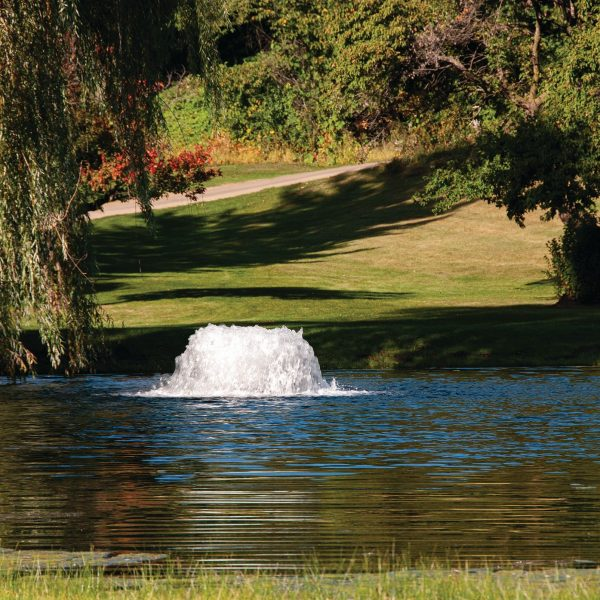
Stand at the edge of your pond, and you cannot tell which kind of pump is running. The spray looks the same from there. The choice underneath, though, shapes your cost, your noise, and how often you reach into cold water for years to come. Water fountain pumps come in two basic forms, and most buyers never learn the difference until something goes wrong.
The split is simple once you see it. One kind sits in the water, the other sits on dry land beside it. That single fact drives almost everything else about how water fountain pumps behave. So before you buy, it helps to know what each placement gives you and what it takes away. Here is the honest comparison.
What Changes When the Pump Sits in the Water
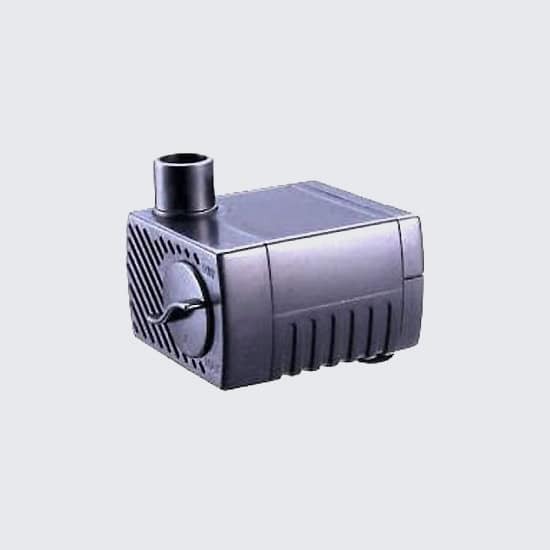
A submersible pump lives underwater, down in the pond or a basin. The water around it primes the intake and cools the motor, so it starts the moment you plug it in. No priming, no fuss. You drop it in, attach the tubing, and it runs.
That placement brings real upsides. The pond muffles the motor, so a submersible runs quietly. It hides out of sight, with nothing cluttering the edge of the water. The setup stays simple, and the upfront price sits lower than the alternative. For a backyard fountain or a small to mid-size pond, this is usually the pump people reach for first. One thing to watch is heat in a shallow pond during a heatwave, since the motor sheds its warmth into the water around it.
What Changes When the Pump Sits on Dry Land
An external pump works from outside the pond, on a dry pad, plumbed in with intake and discharge lines. It never touches the water. That shifts the math in a few ways worth knowing before you commit.
The motor runs in open air, so it tends to last longer and stays easy to reach when it needs service. You never wade in to fix it. At higher flow, it moves more water for each watt it pulls, which trims the running cost over time. And with nothing wired into the pond, the water carries no electrical risk from the pump itself. The trade is a harder install and a unit that needs shelter from the weather.
Where a Submersible Pump Wins
Cost and simplicity sit at the top of the list. A submersible costs less to buy, takes minutes to set up, and runs nearly silently. For water gardens, fountains, and ponds up to a few thousand gallons, it does the job without any drama.
There is a catch, and it is fair to name it. Living in the pond means the pump meets leaves, silt, and string algae, so it clogs more often and needs a pre-filter and regular cleaning. Servicing it means reaching down into the water. The lifespan runs shorter too, often around three to seven years with care, since constant submersion wears the unit faster than dry running would.
See also: BPC-157 Benefits and Where to Source It Responsibly
Where an External Pump Wins
Longevity is the headline. An external pump often lasts five to fifteen years, since it stays dry and cool the whole time. You service it on land, add valves and baskets without trouble, and keep all the electrics away from the water. At high flow, it also pulls less power to move the same volume, which adds up across a long season. That gap shows up most above roughly 2,500 gallons per hour, where the dry, larger motor really pulls ahead. At lower flow, the difference narrows, and a good submersible holds its own.
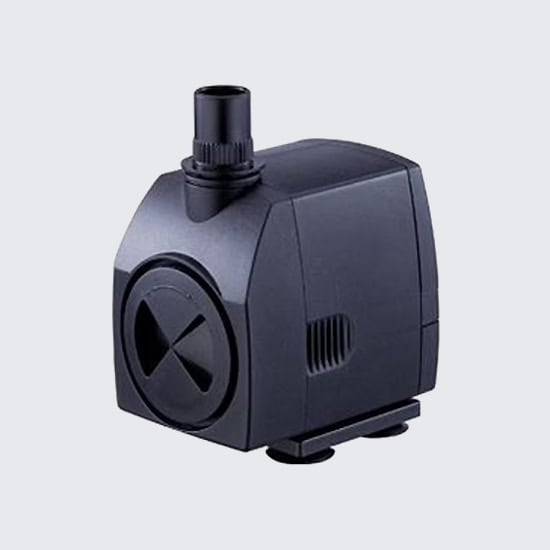
That strength comes at a price. The install asks for plumbing, priming, a level base, and a housing to block rain and snow. It runs louder because the motor sits in the open with no water to quiet it. So you place it with some thought, behind planting or inside a vented box, and you spend more to get it going.
Letting Pond Size Settle the Choice
When you are stuck, let the water decide. Size and demand point you to the right pump faster than any feature list. Run through it like this:
- A backyard fountain or a pond up to a few thousand gallons is a submersible.
- A large pond, a tall waterfall, or a long pipe run leans externally.
- A setup you plan to run hard for ten years, with low power bills in mind, leans towards external.
- A simple, hidden, quiet feature on a modest budget is a submersible.
Whichever way you go, size the flow to turn your whole pond over about once an hour, measured at your real head height. A pump that matches your water beats the one that looked good on the shelf.
It is not really about which pump is better. It is the one that fits your pond. For a fountain or a modest pond, the submersible is the cheaper, quieter, simpler pick, and it will serve you well for years. When the pond grows, the waterfall climbs, or you plan to run it for a decade, the external pays back its higher cost. You get more years of service and a lower power draw in return. Decide by your water, not by the tag on the box.